
THE INVITE

A FILM Review by Ava Bellows
"One should always be in love. That is the reason one should never marry." — Oscar Wilde
So begins The Invite, and just like that, Olivia Wilde tells you exactly what kind of film you're about to see. Not a romance, not a tragedy — something more uncomfortable than either: a marriage.
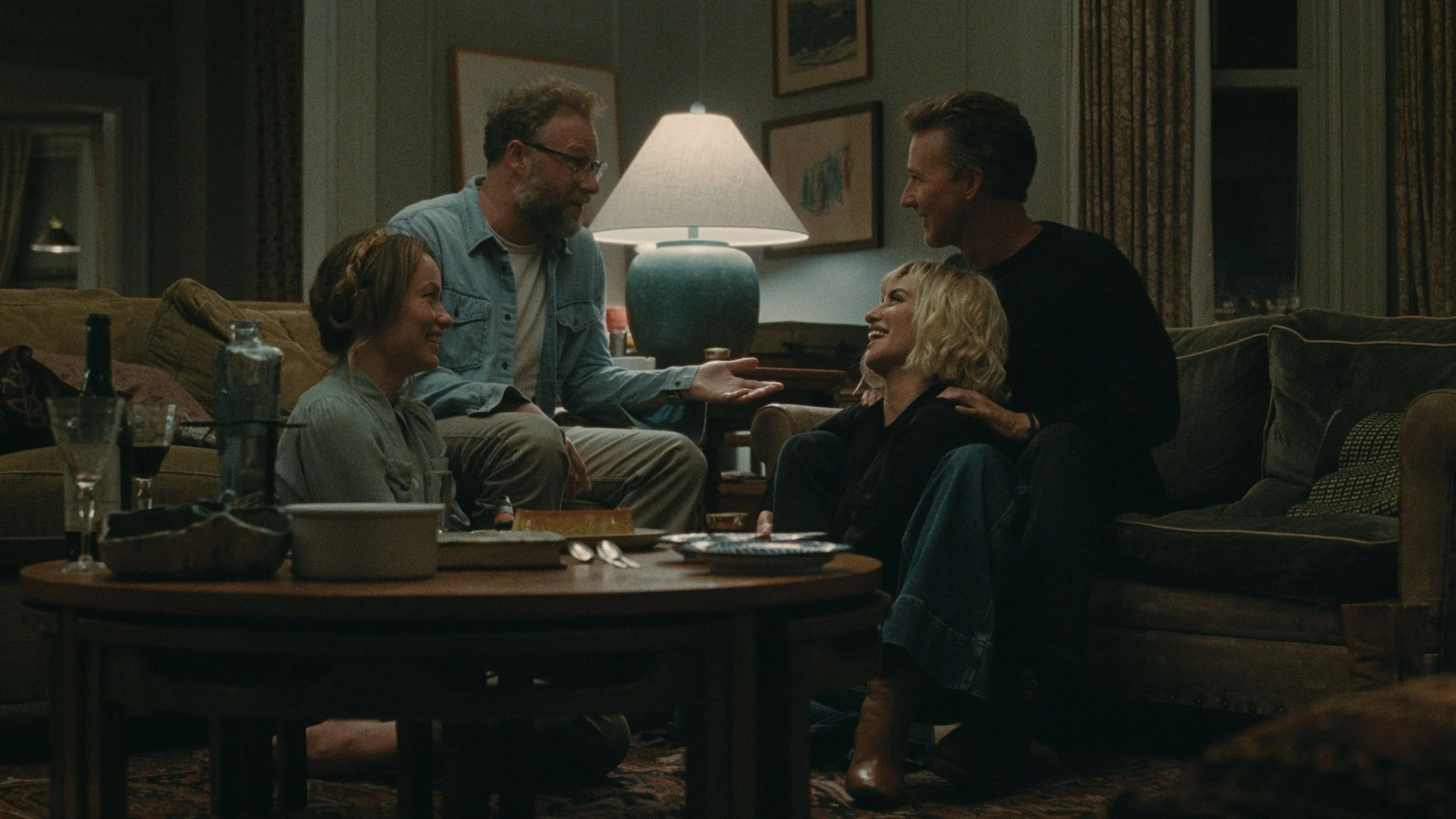
(L-R) Olivia Wilde, Seth Rogen, Edward Norton, Penélope Cruz
Credit: Courtesy of A24
The Invite is as much a movie about energy as it is about relationships, and it's about relationships (Esther Perel is credited as a script consultant, for crying out loud). Its central argument is that relationships, like energy, cannot be created or destroyed. Only shaped. You don't leave a relationship and start over. You take it with you, or you transform it into something else with the same person — a different configuration of the same matter. The film is about what happens when two people can no longer look away from which version of their relationship they've become.
The film takes place almost entirely within a San Francisco apartment, recently "renovated without change"; the same could be said for the apartment's inhabitants and their marriage. Joe (Seth Rogen) and Angela (Wilde) are hosting an impromptu dinner-party-slash-home-tour for the couple upstairs — Hawk (Edward Norton) and Piña (Penélope Cruz).
As soon as Hawk walks through the door, he announces cheerfully, "We love a contentious environment."
And boy, does he get one.
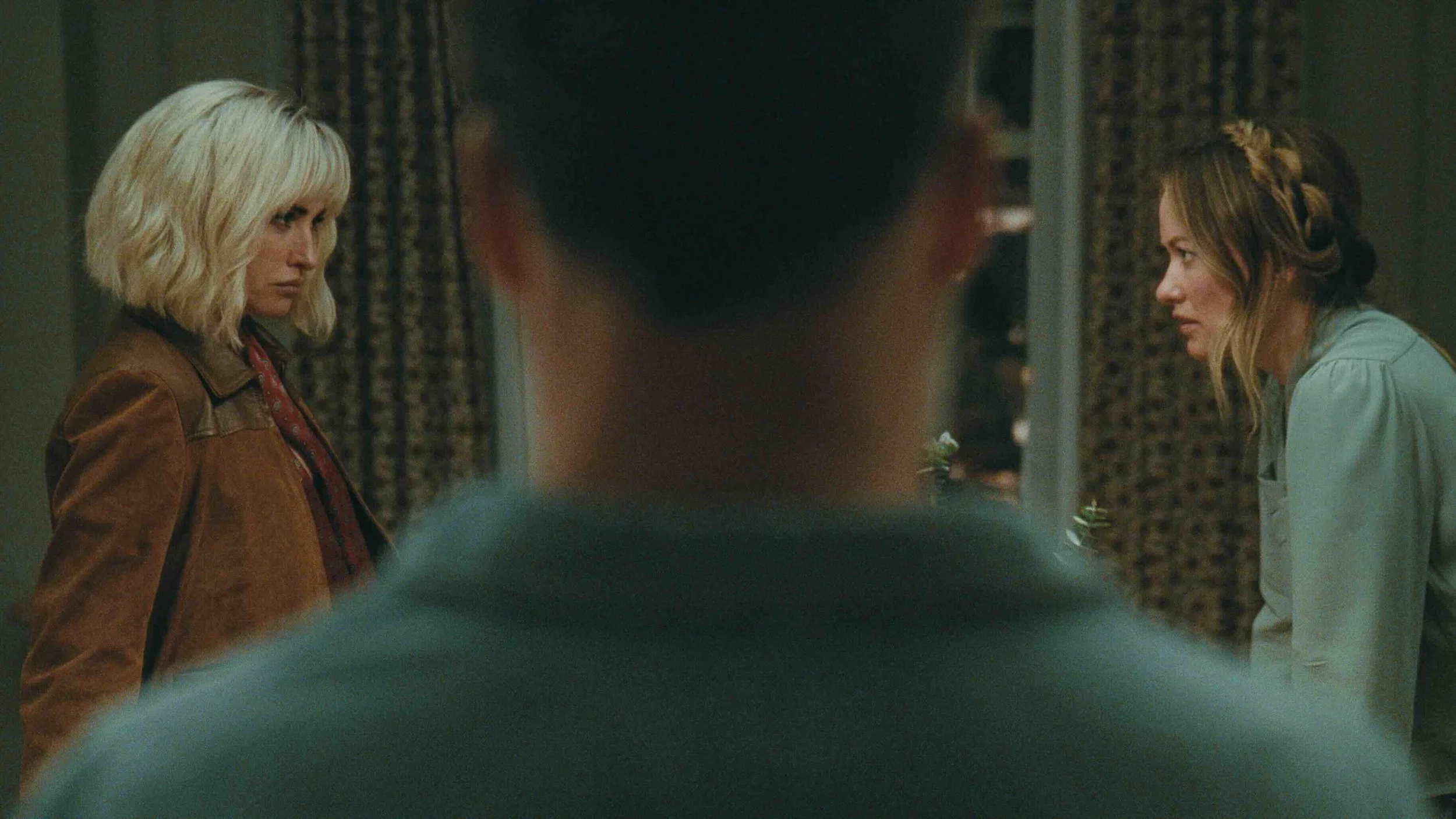
(L-R) Penélope Cruz, Seth Rogen, Olivia Wilde. Courtesy of A24
Joe and Angela aren't quietly drifting apart; they are actively, loudly making it everyone else's problem. They bicker, they snipe, they pick at old scabs in front of company. They talk about each other in the third person while standing three feet apart, delivering insults with the flat, practised efficiency of people who know exactly where to twist the knife. The cruelty isn't a secret; it's the loudest thing in the room.
Hawk and Piña arrive as the perfect counter-agents to this stagnation. They are visibly, audibly, ravenously happy—with each other, with the world, and with whoever else happens to join them in the bedroom or the kitchen, depending on the evening. Their enthusiasm is warm, genuine, and slightly maddening. They find everything interesting, fascinating Joe and Angela for entirely different reasons.
It is no wonder Perel is credited here. The arguments in this film — the layers of them, the way they rise and fall and come back from a completely different angle, the way both people are simultaneously right and wrong and aware of it and unable to stop — are so lived-in and specific that their specificity is exactly what makes them feel universal, and they are performed with such authenticity you feel like you're intruding as you watch (and yet you can't look away).
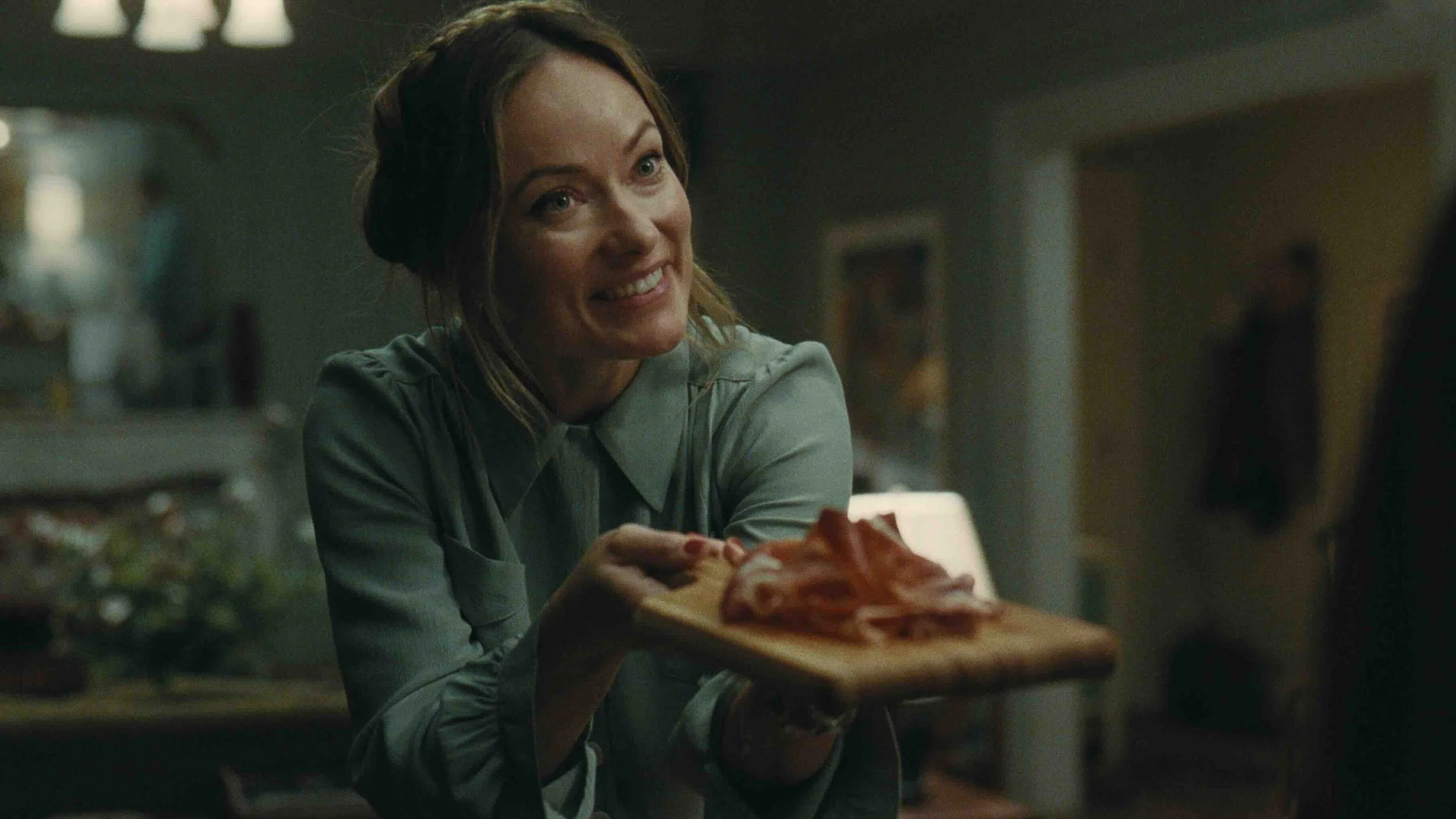
Olivia Wilde. Courtesy of A24
Wilde's Angela is a masterclass in the particular pain of someone who has lost track of who she used to be. She craves attention the way someone craves air — and then, the moment she receives it, she flinches. She beams when Hawk admires a rug, but tends to the cheese board like a wound. The pivot from anxious and neurotic to genuinely hilarious to heartbreakingly desperate to be seen — sometimes all in the same breath — is heartbreaking. It is funny. It is hard to watch and harder still to look away from.
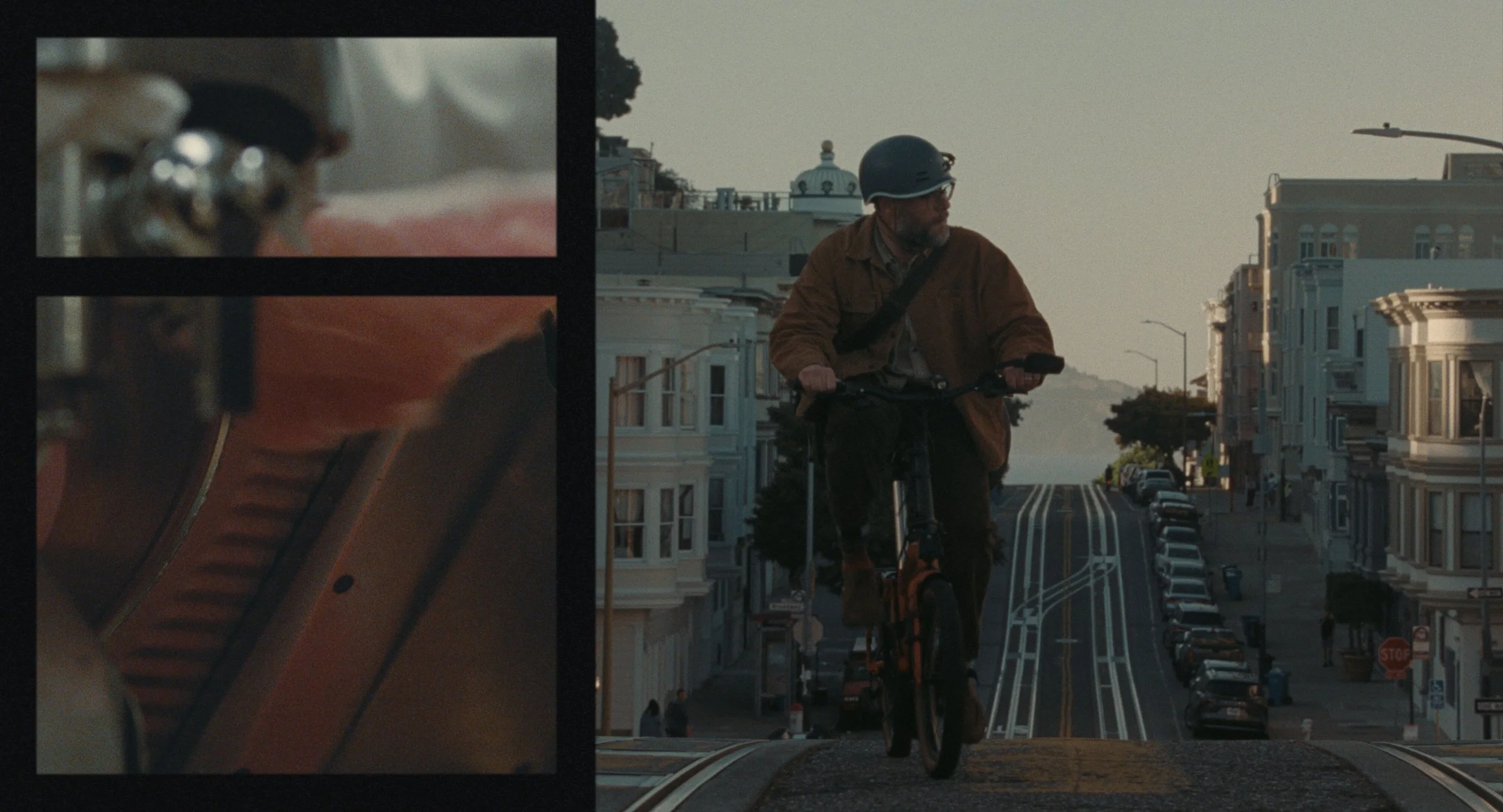
Seth Rogen. Courtesy of A24
Seth Rogen's Joe is not the villain of this story, the film is too honest to let him be one. He is instead a man who has also lost something — some earlier, more open version of himself, probably the one Angela fell for — and expresses the loss through the specific cruelty of someone who doesn't fully know he's being cruel. He is maddening. He is completely comprehensible. He is the kind of person you understand entirely and still kind of want to shake.
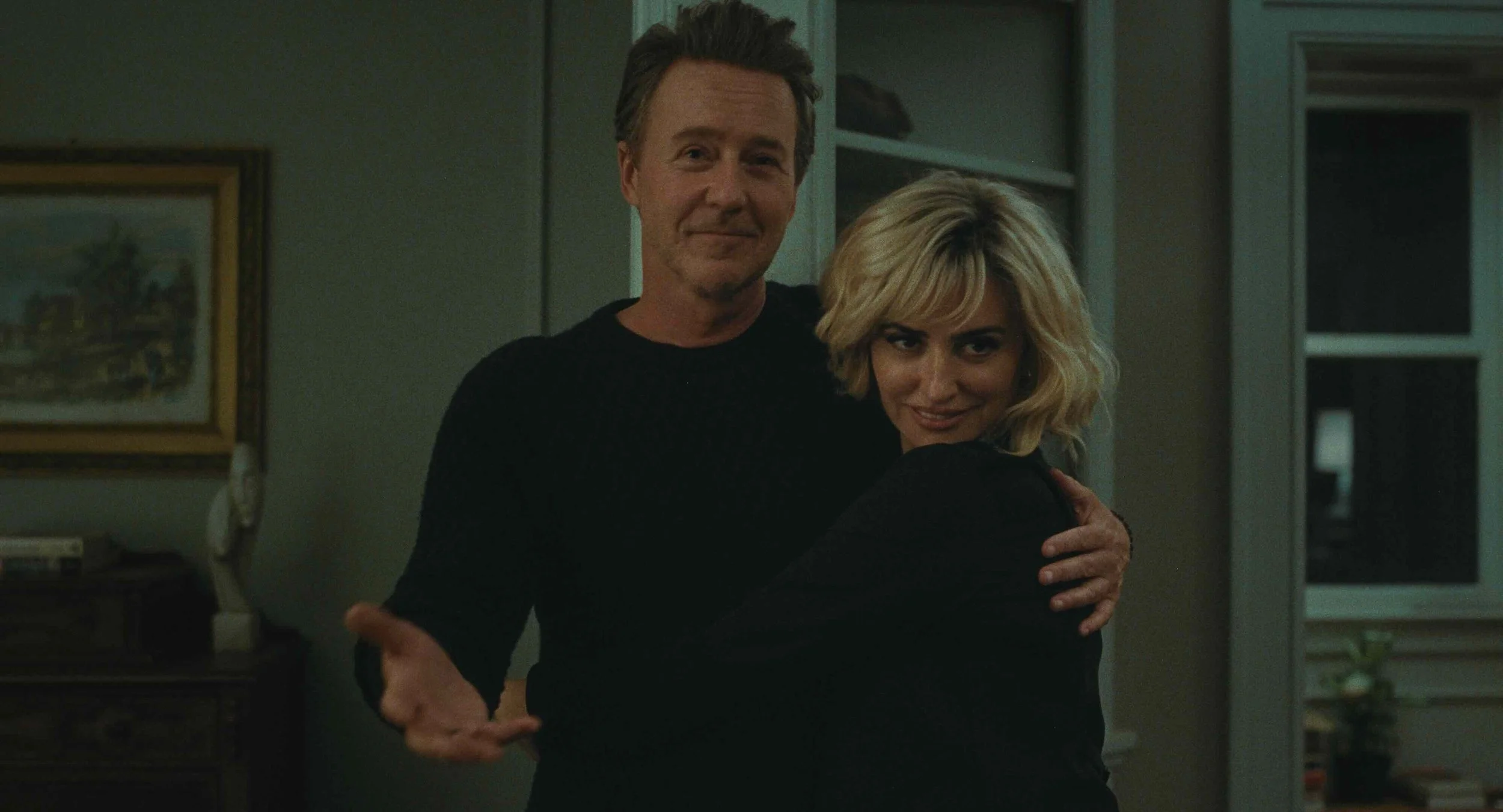
(L-R) Edward Norton, Penélope Cruz. Courtesy of A24
This is also the best use of Norton in a decade. He plays Hawk as equal parts pretentious asshole and sensitive soul; you see exactly why Piña and Angela both melt for him in ways, and why Joe cannot help but roll his eyes at him. Cruz is warm and funny and full of fire and wisdom. She feels like the anchor of the movie, if only in the sense that you feel like she is completely in charge of the room—and as the Esther Perel-based figure, she is.
The behind-the-scenes crew works overtime to turn this apartment into a pressure cooker. Adam Newport-Berra's camera tracks the emotional shifts in real time, Dev Hynes' score feels like a pulsing nervous system, and Jade Healy's production design turns the apartment into a literal maze of walls and frames.
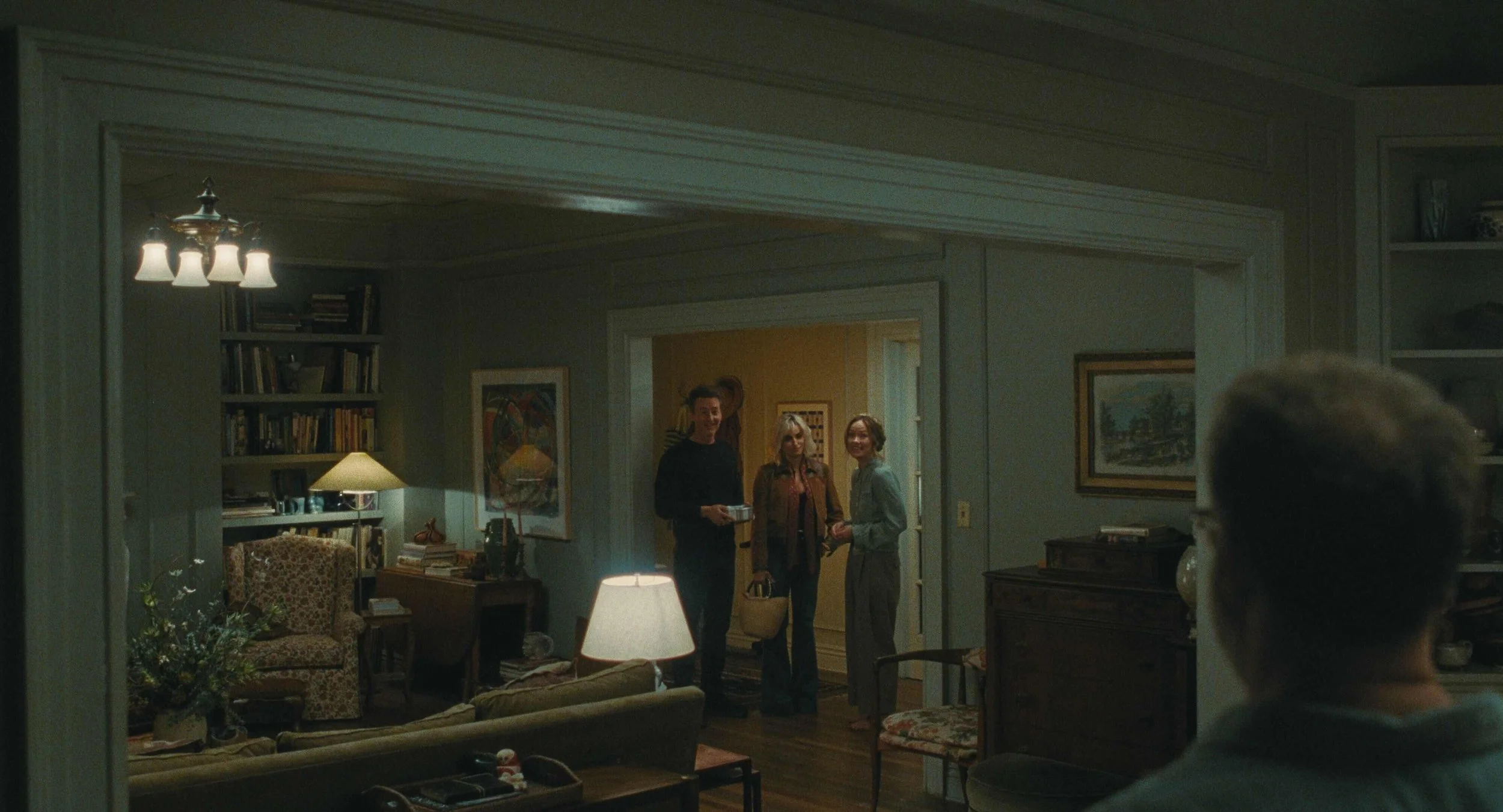
(L-R) Edward Norton, Penélope Cruz, Olivia Wilde, Seth Rogen. Courtesy of A24
12 Angry Men, Who's Afraid of Virginia Woolf — the comparisons are earned and obvious and ultimately beside the point. The setting is simple. The premise is simple. But this is an orchestra, and Wilde is conducting it: the performances, the camera, the score, all pulling in the same direction, all hitting.
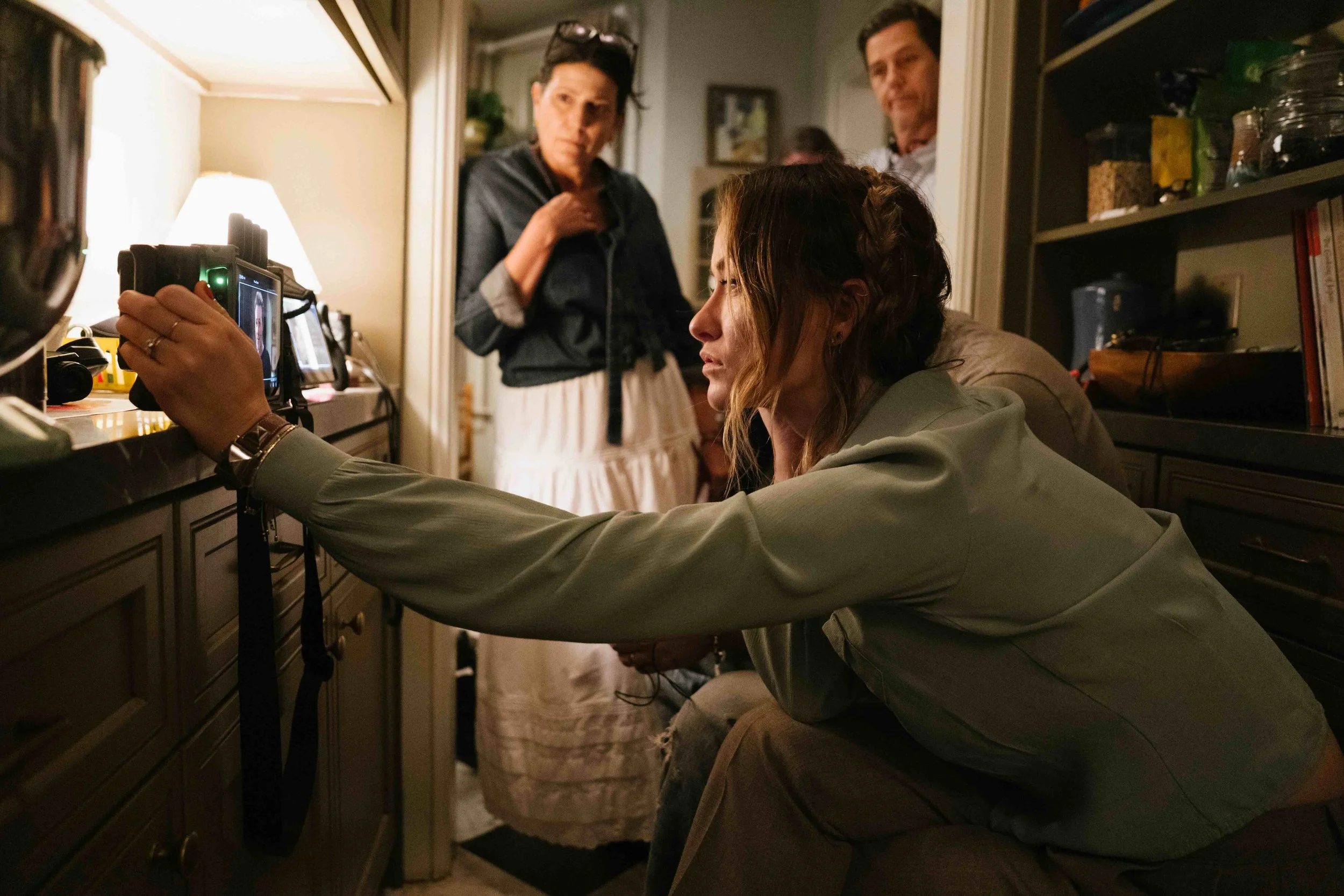
(L-R) Olivia Wilde. Credit: Atsushi Nishijima
Courtesy of A24
Honestly, trying to separate the acting from the music or the design feels wrong. The Invite works because it feels like a living, breathing organism. It operates exactly like a marriage: it's not a checklist of isolated, neat moments, it's the whole, chaotic package.
You're not watching so much as you're inside it — sitting slightly too close to the table, aware that if you say the wrong thing, it could all go very badly.
The real trick of The Invite is that it earns the universality it's reaching for. These fights. These particular silences. This specific flavour of being next to someone and feeling completely alone. You've been there — in some version of that room, on one side or the other of one of those conversations. Wilde doesn't let you off the hook by giving you an easy bad guy to hate. She just locks you in the apartment, turns up the heat, and forces you to watch.
WATCH TRAILER
THE INVITE
DIRECTED BY OLIVIA WILDE
WRITTEN BY WILL MCCORMACK + RASHIDA JONES
CAST SETH ROGAN, OLIVIA WILDE, Penélope Cruz and Edward Norton
very laboratory