
"Wuthering Heights"

A Review by Ava Bellows
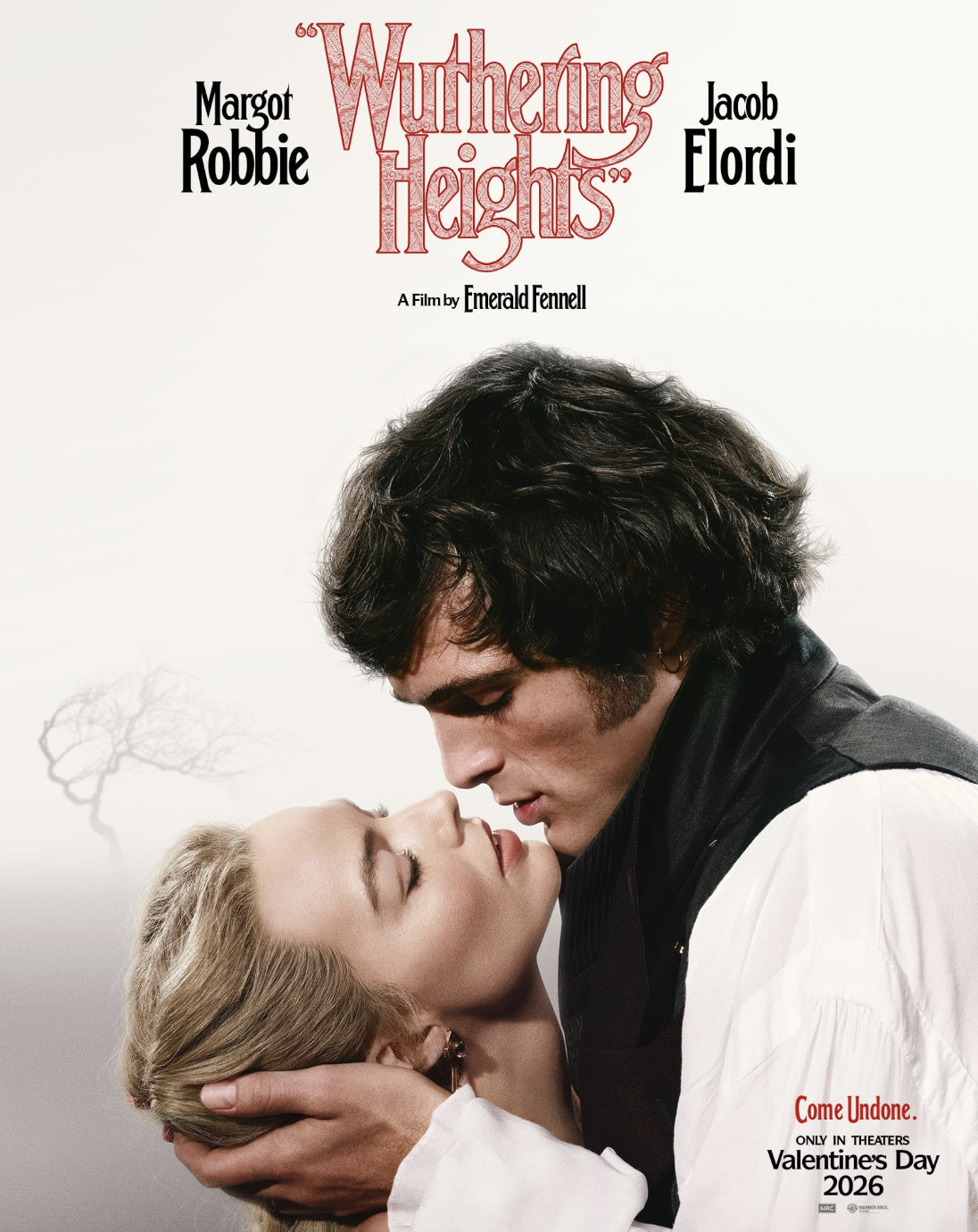
Emerald Fennell’s “Wuthering Heights” is not an adaptation; it is a séance. It is the cinematic equivalent of reading Brontë at fifteen, locked in a bedroom that feels too small for the scale of your own bloodthirst, giving yourself over to a prose that promises the world is as cruel and beautiful as you suspect it to be.
To call it “unfaithful” is to misunderstand the project. At a Q&A I attended, Fennell mentioned she wanted the title itself to include those much-theorized quotation marks - a signal that this was never a loyal transcription, but a lens. This is Fennell in conversation with Brontë, not a stenographer for her. It is a world built from the scaffolding of the moors, inhabited by the ghosts of old Hollywood and the twisted fantasies of a girl who finished her English project and decided to burn the building down. In my mind, this is how all adaptations should function: as an exorcism rather than a reenactment.
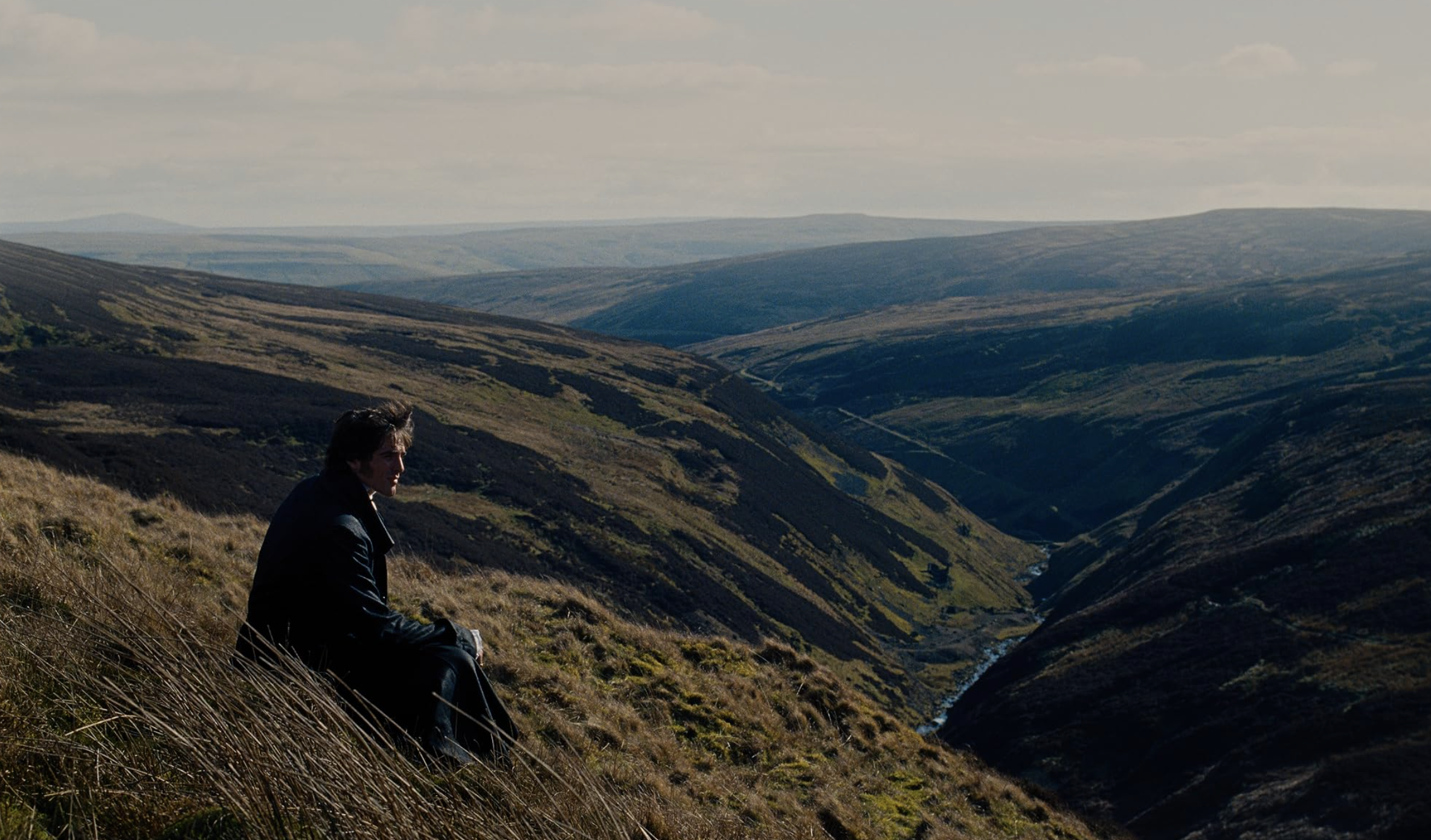
Jacob Elordi in “Wuthering Heights” Photo by Courtesy of Warner Bros. - © Warner Bros.
The moors here are not just a setting; they are a psychological state. Fennell leans into the primal, the stunted, and the hungry. We are often told this is a love story, but Fennell knows better. She understands it as the definitive blueprint for every toxic situationship that ever existed - a story of obsession and confusion where the stakes are life, death, and petty vengeance.
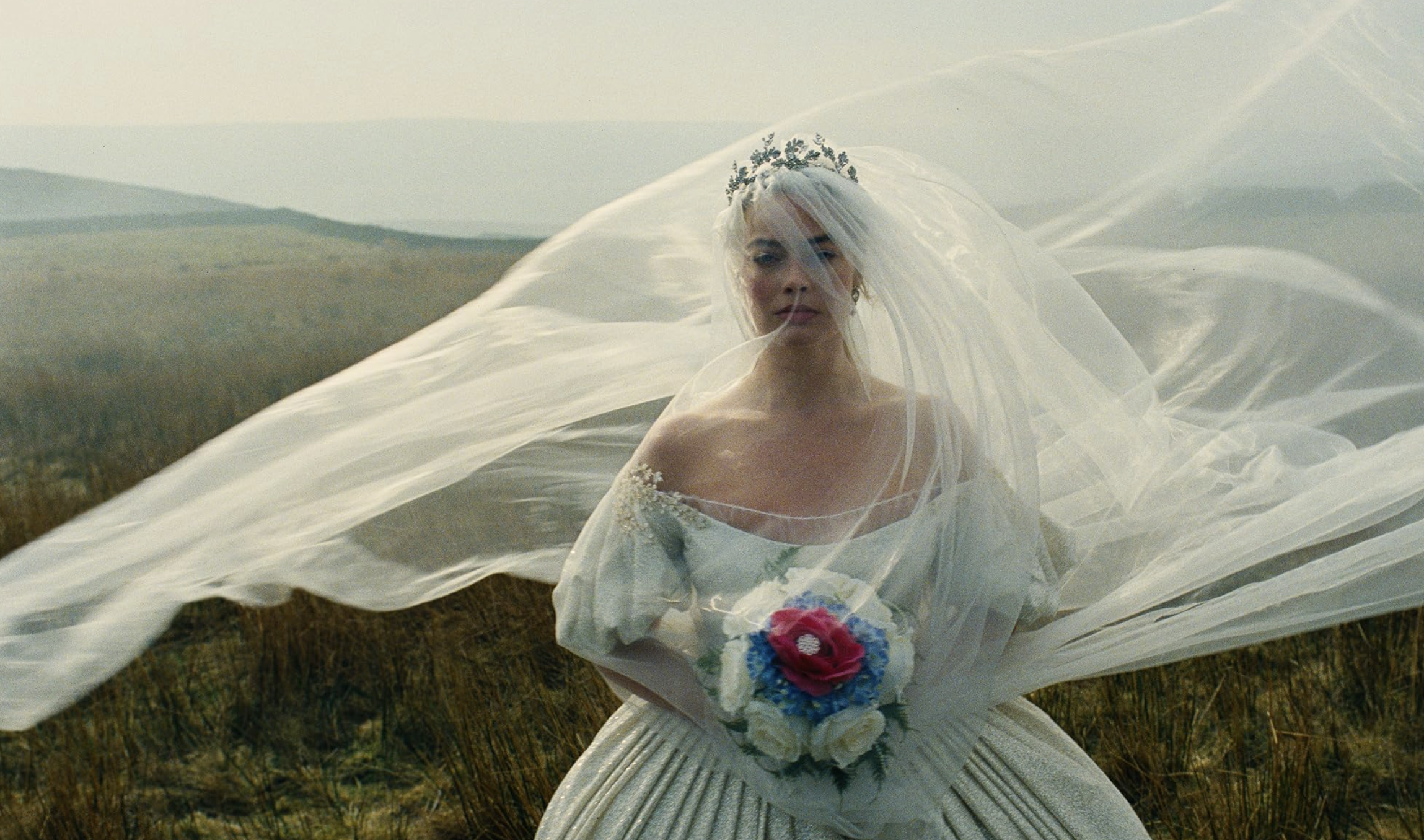
Margot Robbie in “Wuthering Heights” Photo by Courtesy of Warner Bros © Warner Bros.
The production design acts as a physical manifestation of this binary obsession. Wuthering Heights is a tomb of dark wood and damp stone, a place that feels like it’s being slowly reclaimed by the earth. It is heavy, claustrophobic, and honest in its misery.
In contrast, Thrushcross Grange is a masterpiece of "posh moisture." It is a Regency dream curdled into a nightmare of symmetry and containment. The walls literally sweat; a beautiful, unsettling condensation drips down the silver panels as if the house itself is having a fever dream. The floors are a trompe l'oeil representation of the gardens, a painted reality that suggests you are never truly standing on solid ground.
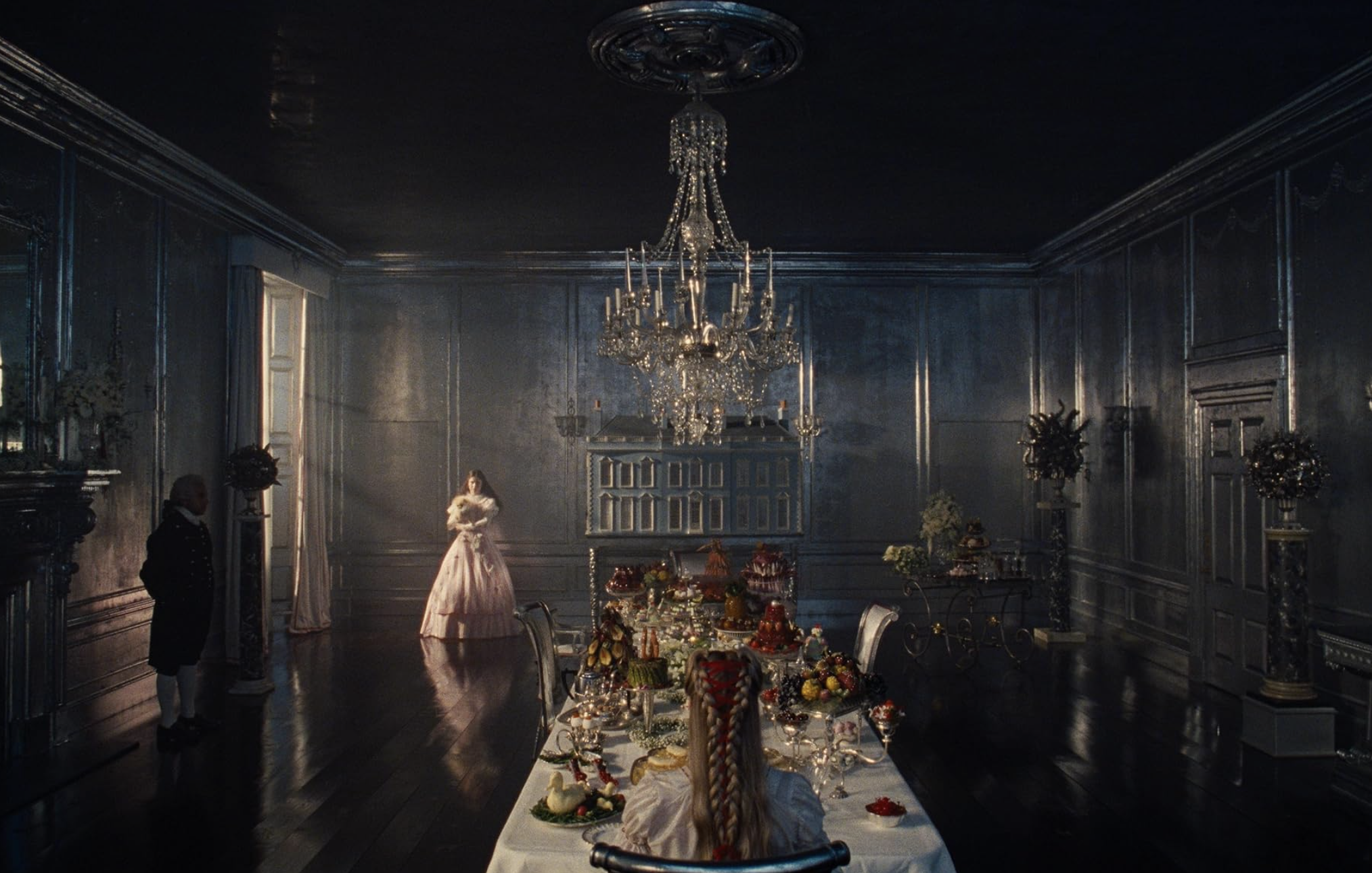
Alison Oliver and Margot Robbie in “Wuthering Heights” Photo by Courtesy of Warner Bros © Warner Bros.
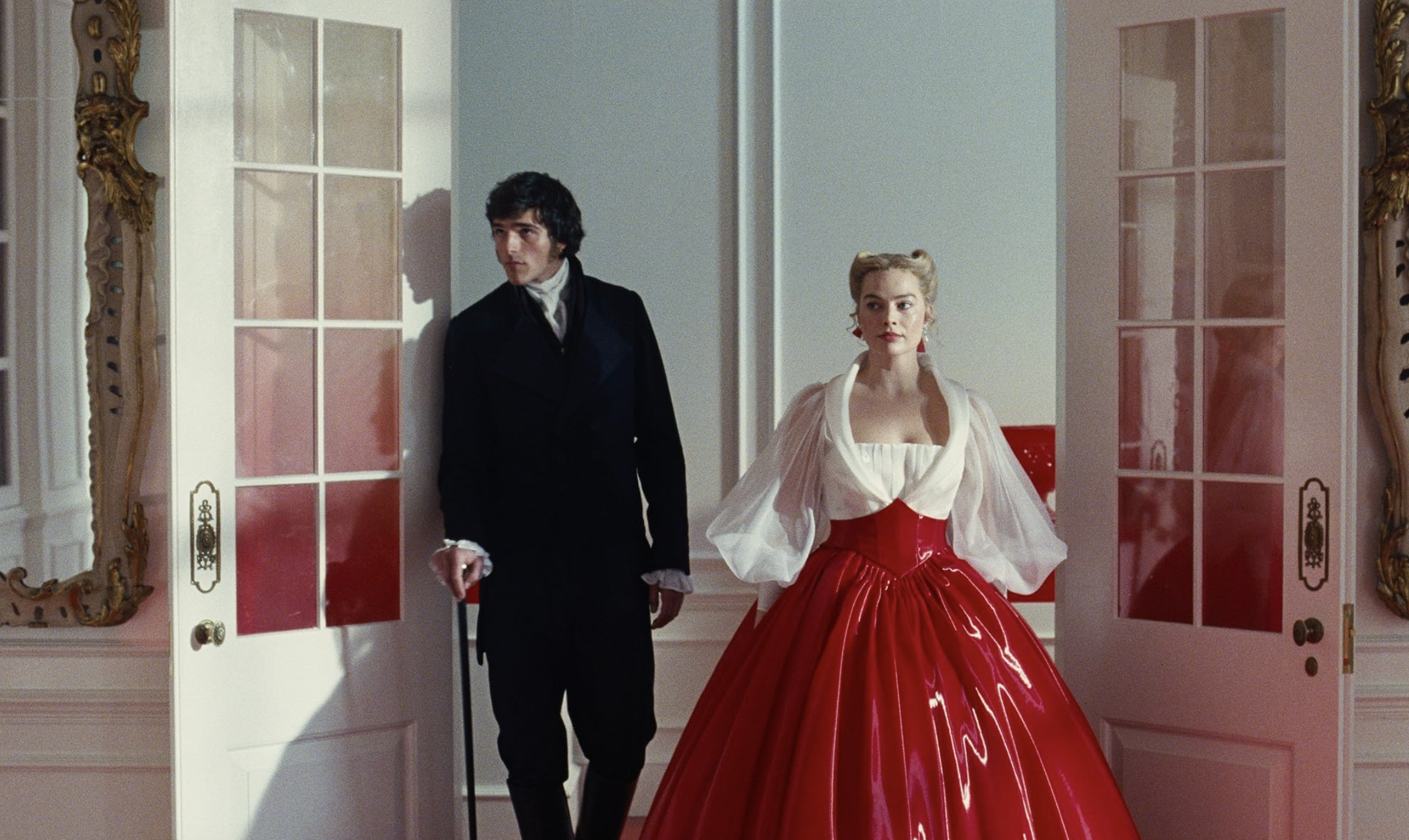
Most haunting is the "Skin Room" -Cathy’s bedroom, where the walls are upholstered in a latex-padded fabric printed with photocopies of Margot Robbie’s own skin. It is a tactile, terrifying enclosure that turns the act of sleeping into an act of being consumed. It is evocative of the film’s larger theme: everything here is caged. Even the garden, with its real roses and Fragonard-inspired swings, feels like a soundstage still-life where lovers are suspended like the jellied seafood served at the Grange’s suffocating banquets.
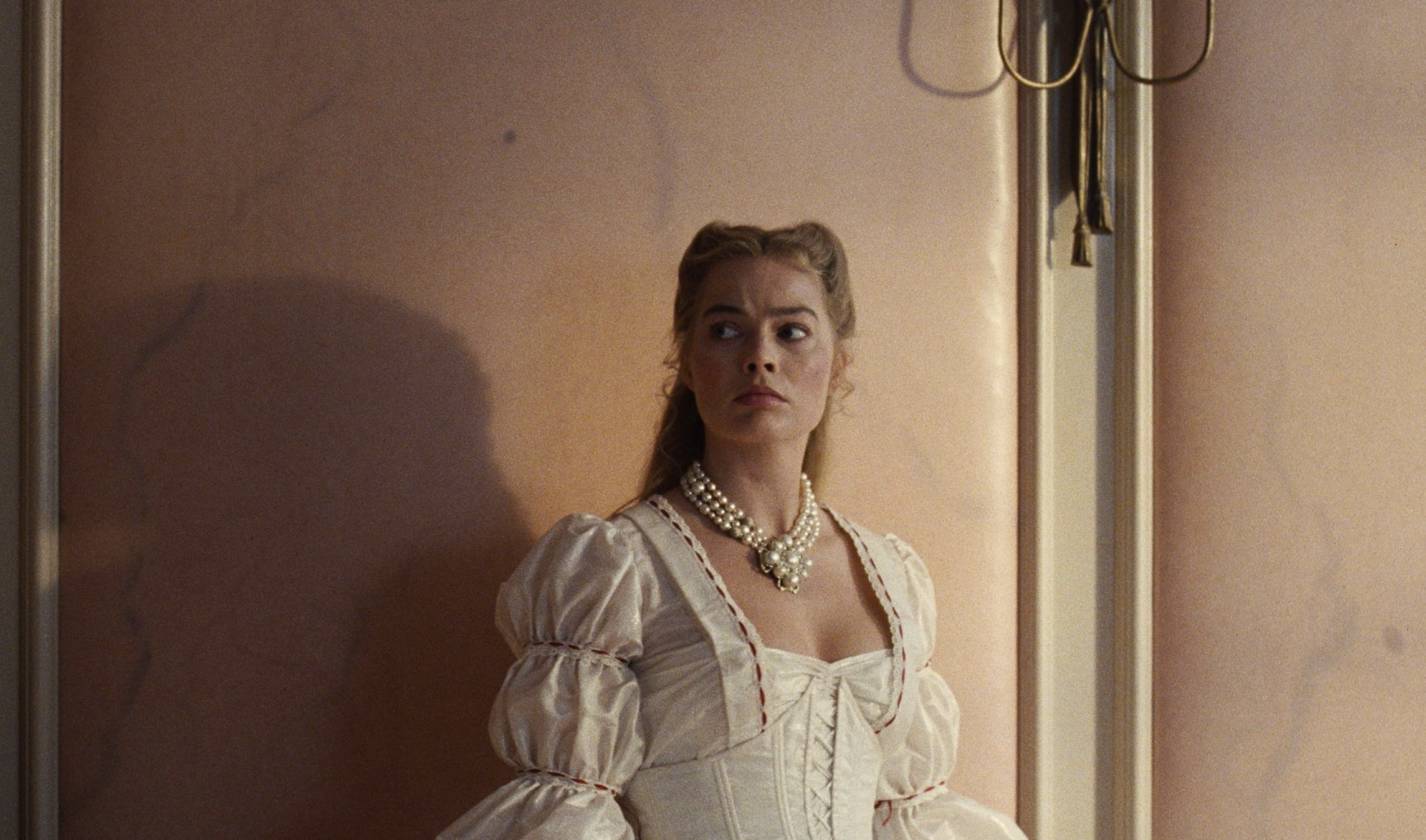
Margot Robbie in “Wuthering Heights” Photo by Courtesy of Warner Bros © Warner Bros.
Jacob Elordi plays Heathcliff as a brooding, tortured prince charming whose beauty is a provocation. He is the kind of boy you ruin your life for, not because he is good, but because he is a mirror. Then there is Margot Robbie, who is stunning as always, but here she is something more: she is deeply raw, petty, and ugly even in her radiance. It is a side of her I haven’t seen before - a desperate shedding of "movie star" grace in favor of something feral. She wears her costumes - heavy, unforgiving corsetry and materials that are contemporary in texture but period in silhouette - not as dress, but as a cage she is trying to claw her way out of.
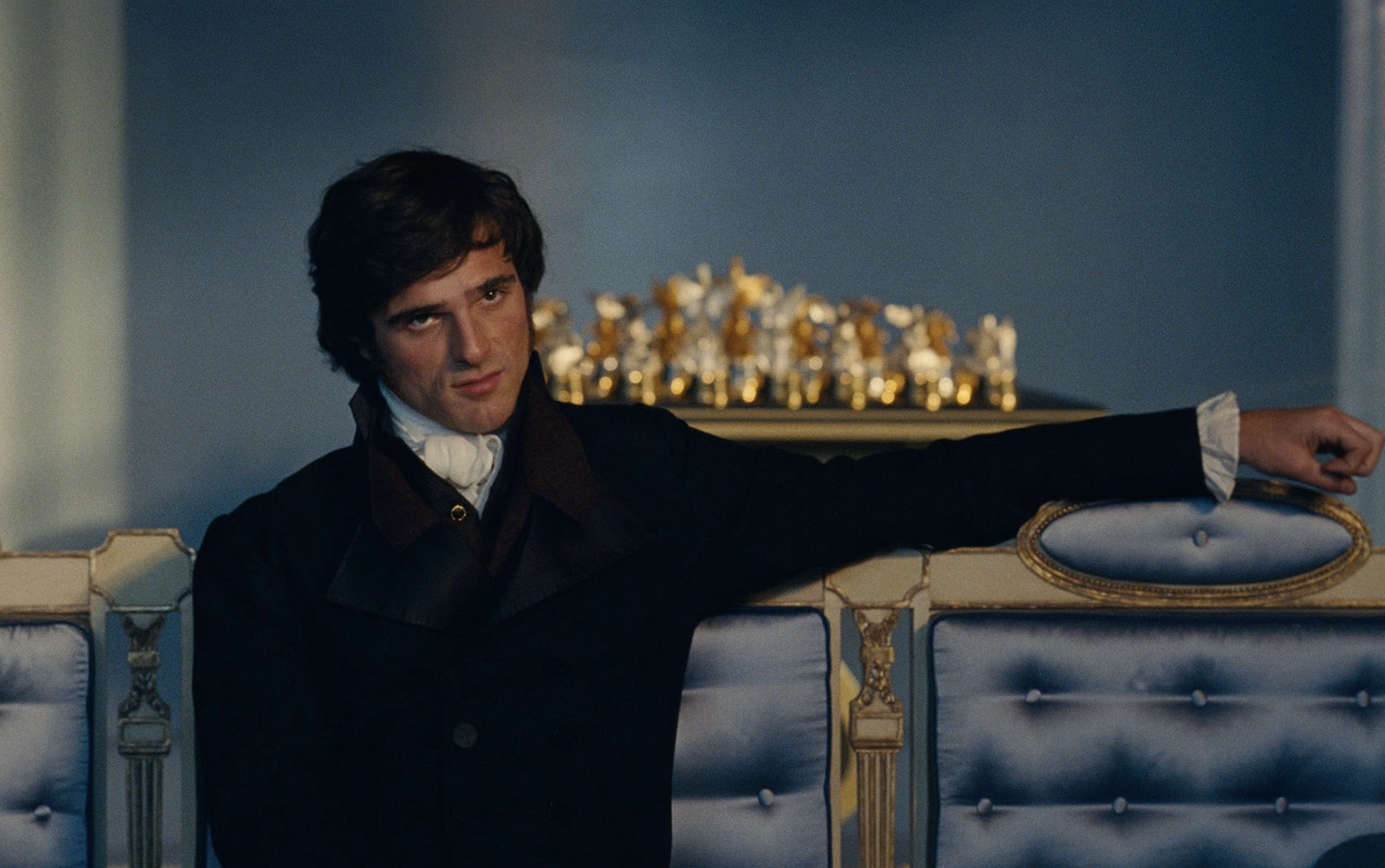
Jacob Elordi in “Wuthering Heights” Photo by Courtesy of Warner Bros © Warner Bros.
Beside them, Alison Oliver is pathetic and enchanting, scary and deranged in the best possible way. Her Isabella is a masterclass in the madness of the overlooked. And Martin Clunes delivers a phenomenal turn as Catherine’s father - a performance so textured I can only hope it makes him as much of a household name in the States as he is in the UK.
The cinematography by Linus Sandgren operates with a predatory grace. The camera doesn't just observe these characters; it stalks them. There are long, sweeping shots of the moors that make the landscape feel infinite, followed by suffocatingly close frames where you can see the dirt under a fingernail or the red fur lining the underside of a grand staircase. It is a visual feast that refuses to let you digest it easily.
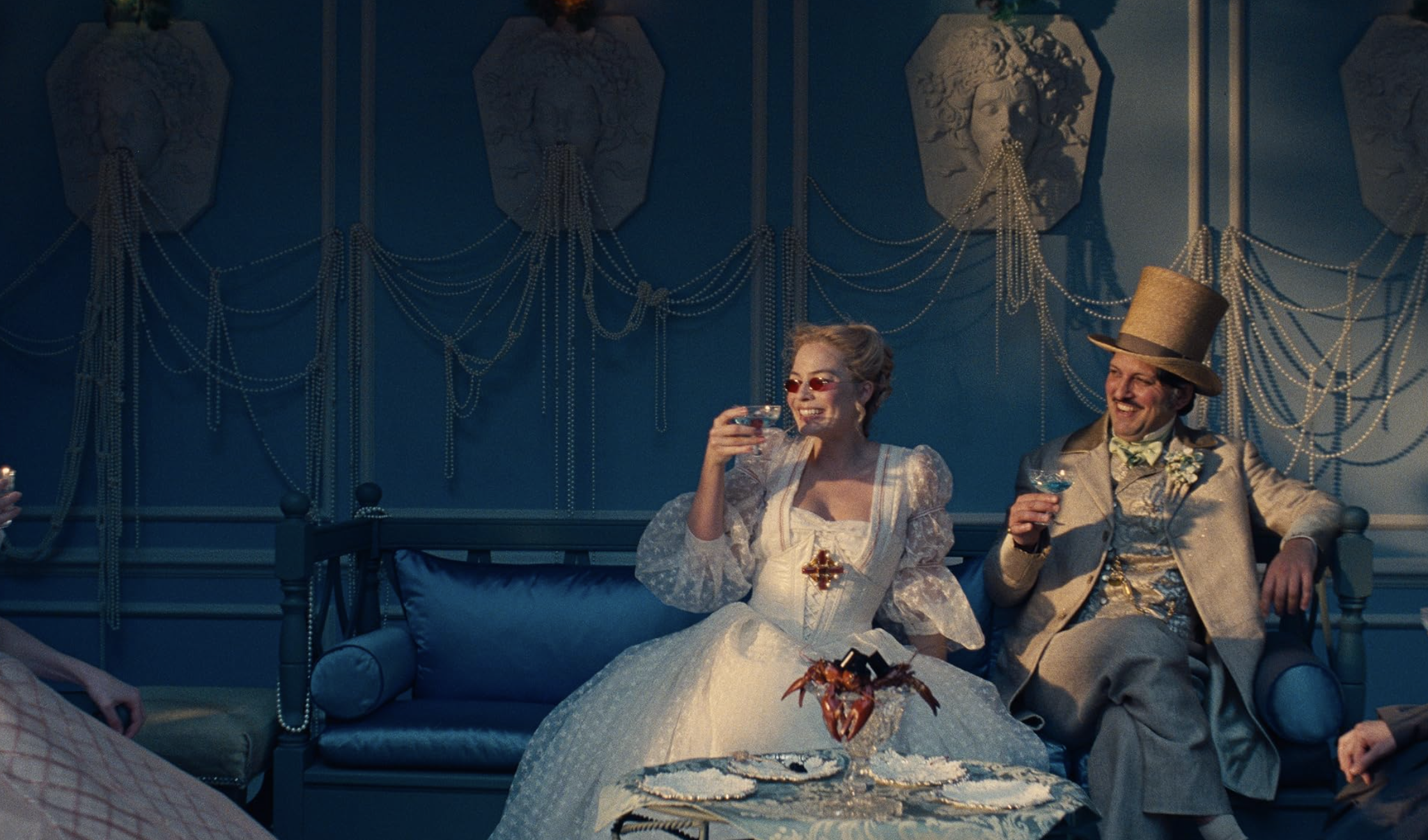
Margot Robbie & Shazad Latif in “Wuthering Heights” Photo by Courtesy of Warner Bros © Warner Bros.
There is a particular impulse in the public consciousness to meet Fennell’s work with a pre-emptive snarl. Even before the first frame flickered onto a screen, the think pieces were being sharpened like knives. There is a desire to tear her down, to demand her art measure up to a standard of "prestige" that feels suspiciously like a cage.
This dismissiveness is boringly rooted in misogyny. We celebrate male filmmakers for being subversive or "messy" - we gift them the title of auteur for their provocations. Fennell, however, is mocked. Her boldness is treated as an affront rather than an asset. I have not loved every film she has made, but I have consistently marveled at her ability to create characters who lodge themselves in the psyche like a splinter. You don’t have to "like" her films to be colonized by them.
I found myself wishing she had strayed even further from the source. I was most electrified when she abandoned the map entirely and leaned into the "beast" of the movie - where the polished aesthetic meets a raw, animal hunger. She captures the "polite barbs" of the landed gentry with a satirical edge, then immediately pivots to the visceral stench of earth and desperation.
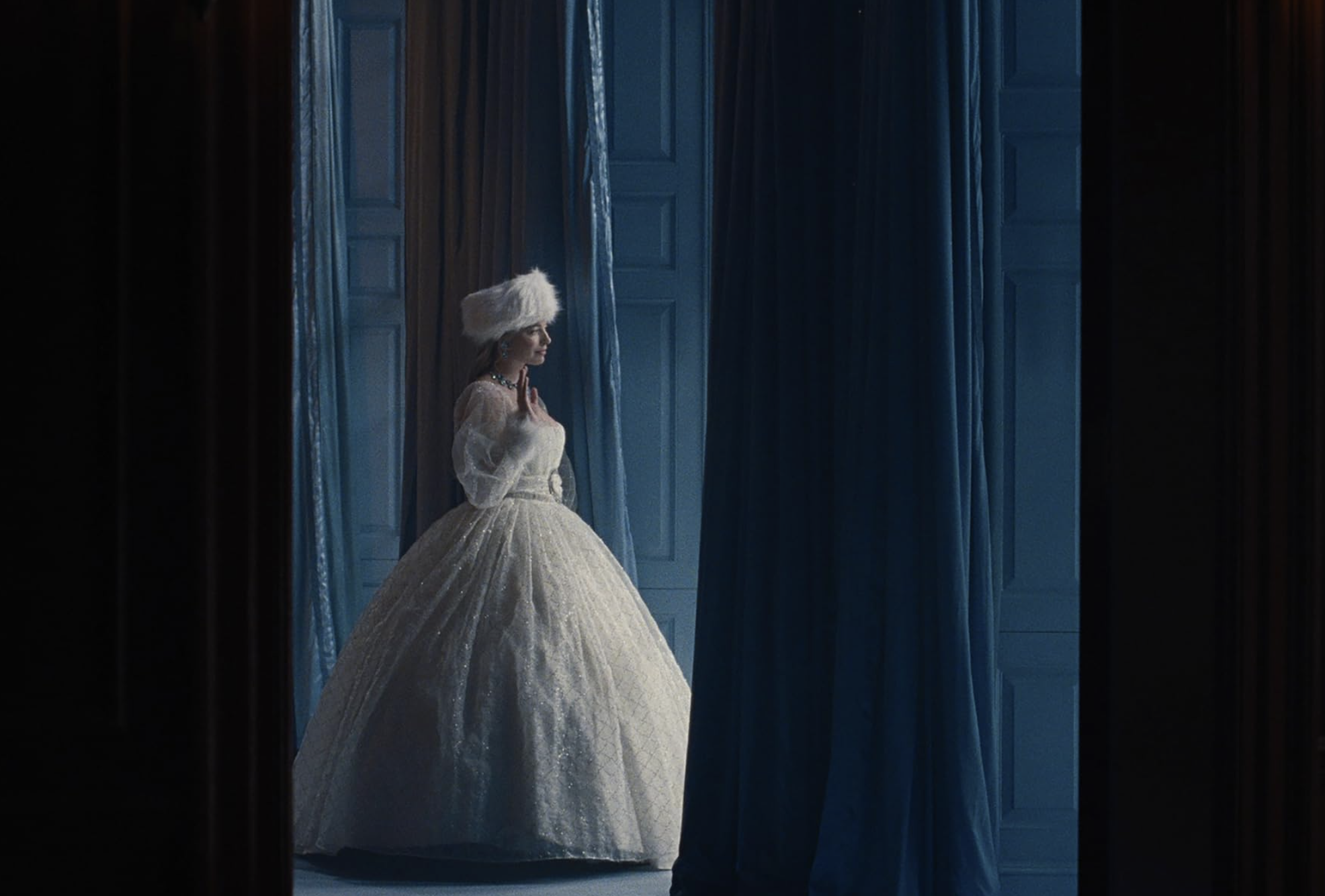
Margot Robbie in “Wuthering Heights” Photo by Courtesy of Warner Bros © Warner Bros.
“Wuthering Heights” is a massive achievement because it refuses to be polite. It is a story of passion indistinguishable from pain, played out by people who are too beautiful to be this broken.
I cannot promise you will like this film. It is too jagged for universal appeal, too interested in the perverse and the "squirmy" to provide the comfort of a traditional romance. But I can promise that it will get under your skin and stay there. Fennell has looked at a classic and seen not a museum piece, but a living, breathing monster. She has invited us to watch it feed. She doesn't want your approval; she wants your attention. And she has earned it.
WATCH TRAILER
“WUTHERING HEIGHTS”
DIRECTED BY EMERALD FENNELL
very laboratory