
Clemens Gritl

N O # 1 2 - 1 5 0 1 1 0 - 1 5
Dimensions: b x h = 150 x 110 cm
Interview by Ellen De
If like us, you are fascinated by the creative process and the daily life and thoughts of artists, join us for this series of interviews conceived by photographer and Lab Mag writer Ellen De.
The first artist in the series is Clemens Gritl, whose work conjures up bold Brutalist structures with the architecture of his imagination.
Meet the artist and find out what he’s working on, how he does what he does and what makes Clemens Gritl tick.
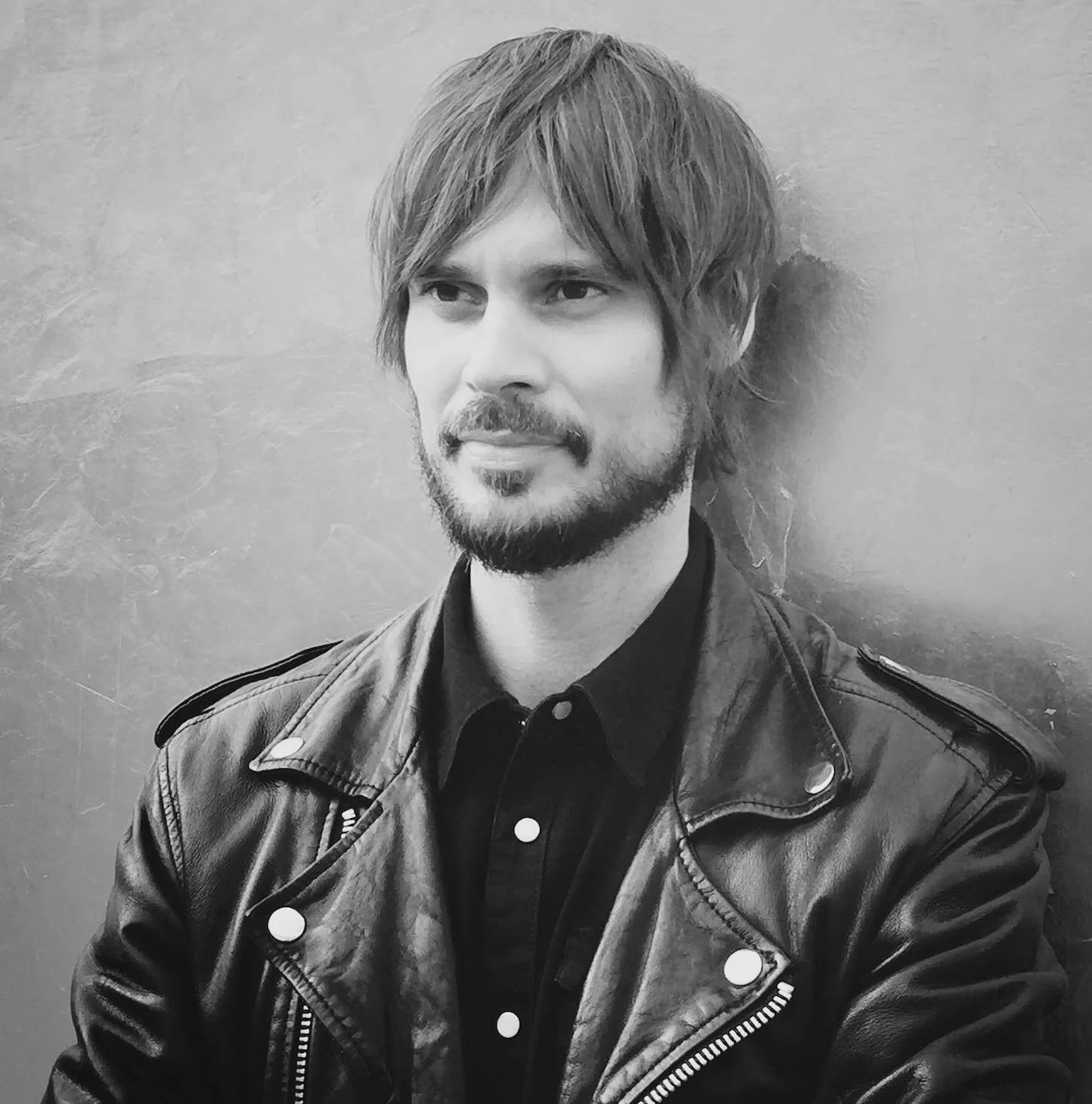
Clemens Gritl
ELLEN DE Tell us about your childhood and share how you started out in the creative world.
CLEMENS GRITL I grew up in a very small village in Bavaria, South of Germany. My childhood was characterised by beautiful nature, but also by a lot of boredom in the vast countryside. I always had a strong desire to live in a vivid, dense city with a lot of underground culture. After finishing school, I went to university in Munich to study architecture. Learning about 20th century futuristic urban concepts opened a completely new world to me and inspired me to create my own fantasy world. I used to spend hours at the huge archive of the library and browsed all the 1960s and 1970s architecture magazines I could find. Before that I didn't really feel an urge to create.
ED How would you describe your creative process? Are there any specific steps or rituals that guide you?
CG I always start with little hand drawings in my sketchbook. If I'm intrigued by an idea, I always get back to it and start doing more precise sketches.
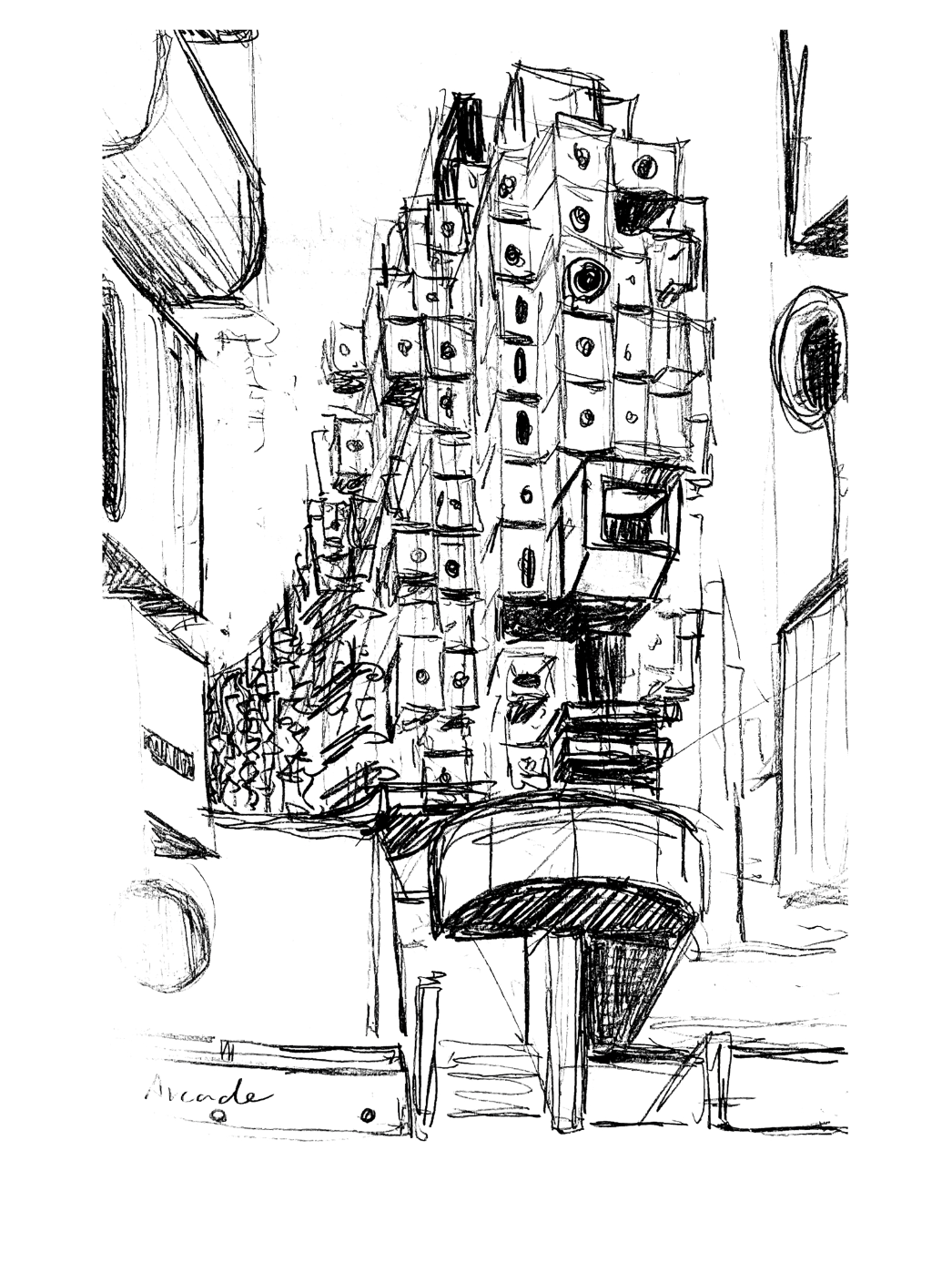
NO#10 sketch 1 ©Clemens Gritl
CG Then I develop a raw 3D computer model and start shaping things. But I always go back to sketching in between, it's somehow a back and forth process. And yes, I love my morning ritual...I drink a strong black coffee and browse my sketch book or look at screenshots of current artworks in progress, before I start working.
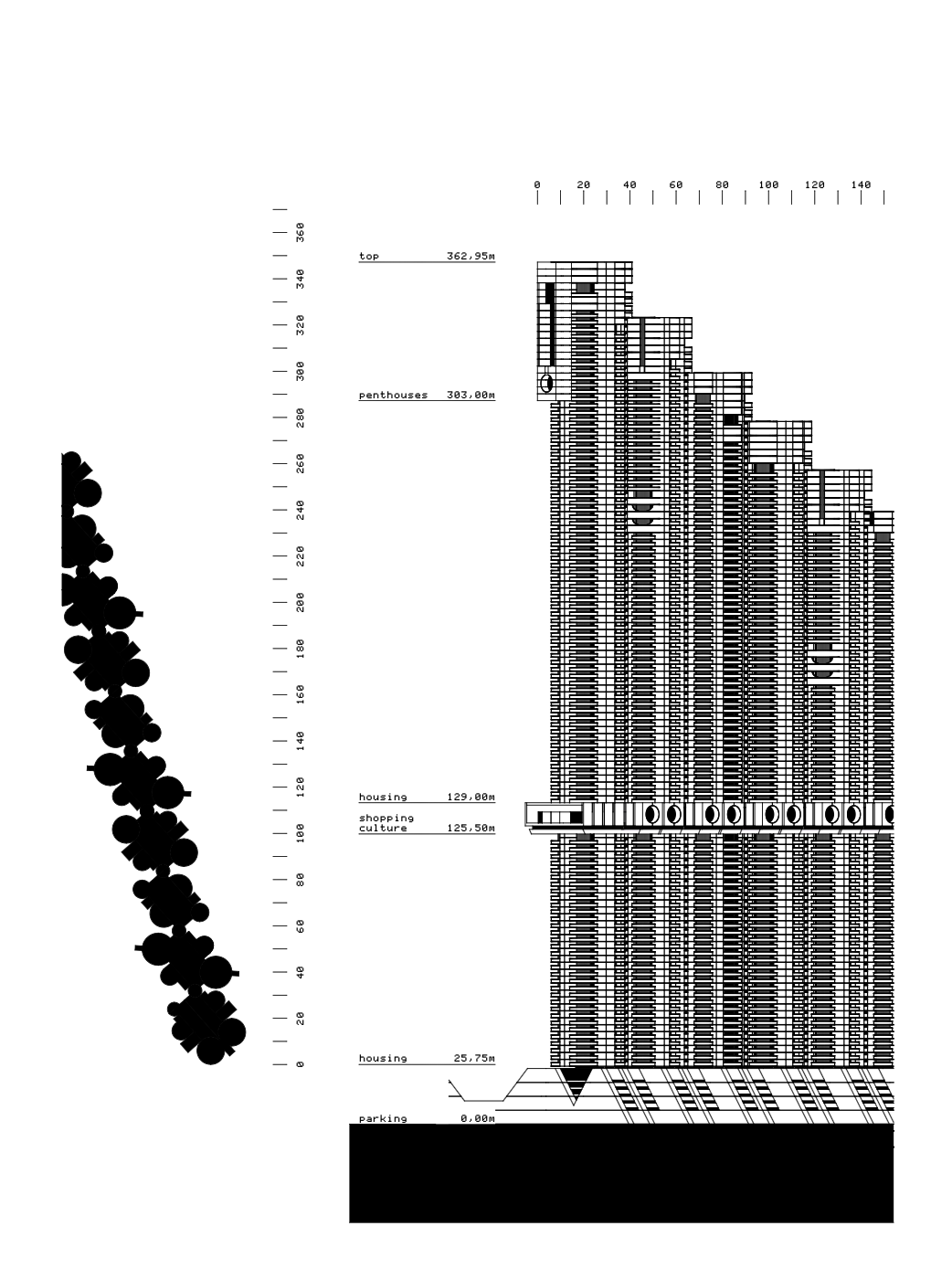
NO#07 CAD © Clemens Gritl
ED What has been one of your biggest challenges in art, and how did you overcome it?
CG I'm obsessed with details, so when I got started a few years ago, I had trouble finishing my first artwork. I always thought, it could be better, if I would only continue working on it. But after some time I realised that I need to move on. I felt that I could only get better with a fresh start. I consider every new work as a new beginning. The paper is still empty and I can clear my head and try new things. But I also love to challenge myself. After becoming quite experienced with my first series in black-and-white, I'm switching to colour now. The process feels quite different, there's a lot more to consider to make it look the way I want. Sometimes it feels painful, especially when things do not turn out the way I want… But in the end, when I've solved the difficulties, it's a feeling I wouldn't want to miss!
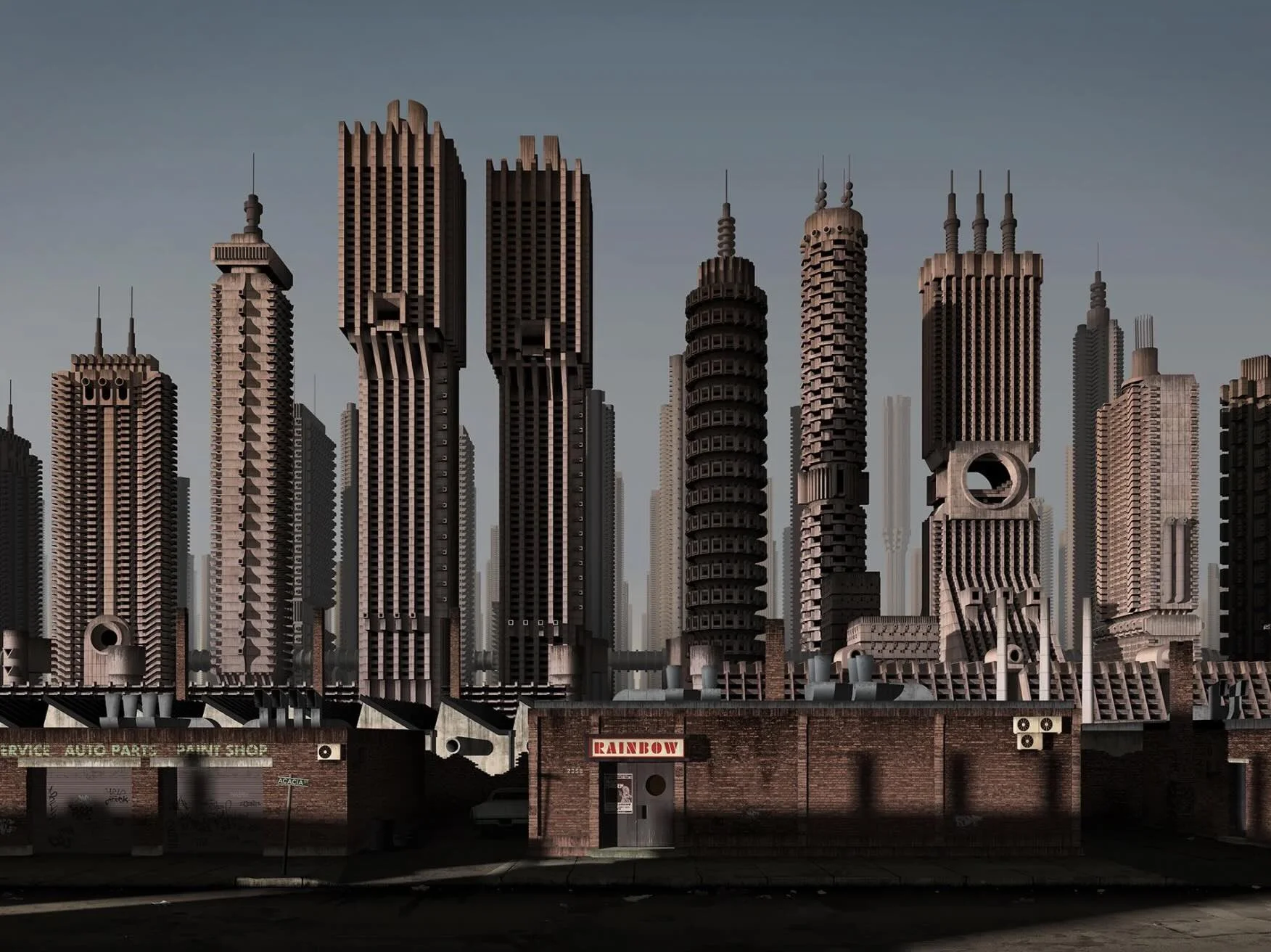
R A I N B O W,
New York City, 01-10-1984, 4:30 PM LOCAL TIME
Dimensions: b x h = 120 x 90 cm, edition of 7 numbered and signed prints + 2 AP
ED What are you proud of?
CG I'm proud of the architectural language I found through my art. When I came out of university I had no clue how my own projects should look. Now I know.
ED Is there a particular environment or moment that you find especially inspiring?
CG Exploring new places, new cities is always inspiring. I'm just back from Paris and I've been to crazy neighborhoods there: Orgues de Flandre or Les Choux de Créteil will remain alive in my memory. You'll definitely find cross references in my new pieces. But also simply sitting down at home and browsing through my architecture and photography books is a great ritual before I get to work.
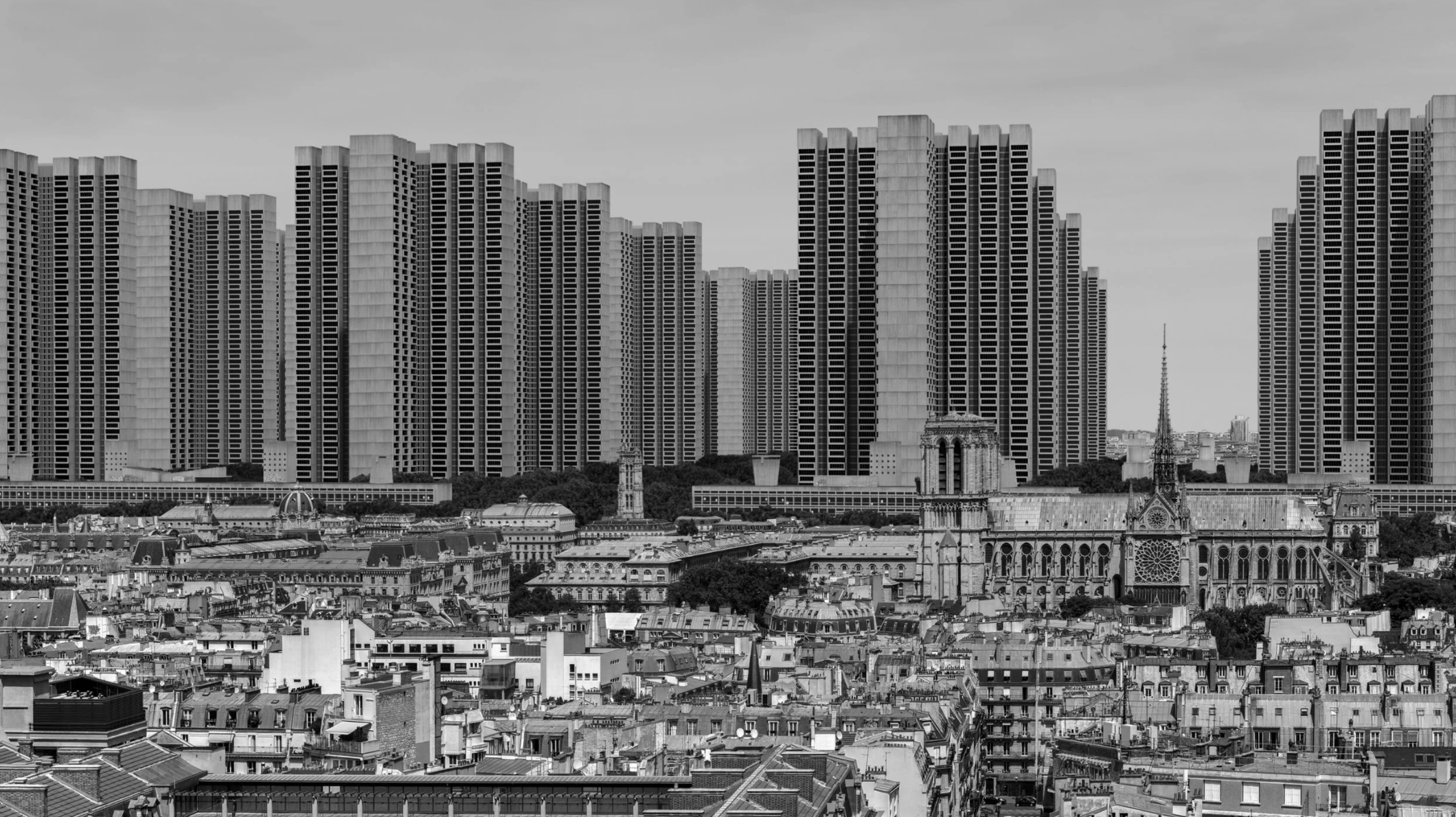
V I # 0 1 - 1 9 2 0 x 1 0 8 0, R a d i a n t C i t y
Resolution: 2 Filmloops w/ 1920 x 1080 pixels
The film loops show a before/after comparison of Le Corbusier's project “Plan Voisin” - a radical urban design for Paris from 1925.
ED Are there any upcoming projects that excite you? What are you currently working on?
CG I'm in the midst of my next series in colour. The idea came through the amazing work by Evelyn Hofer, Stephen Shore and William Eggleston. I saw a great exhibition of Eggleston's body of work at the C/O museum here in Berlin and I thought: I have to bring colour as a new element to my work! But there's another thing: I would love to design a house or mansion in my style for a client in reality… This is my absolute dream!
ED How has your experience been collaborating with other artists or working on collective projects? Do you prefer collaboration or independent work?
CG I work part-time as an architect and most of the time I'm working in a team and there's a lot of people who have a say in a project. So I love being completely on my own as an artist... There's no one who interferes with any of my ideas. I don't have to compromise. But yes, I can imagine a collaboration in the future. It just needs to be an intriguing project where like-minded artists come together to create something bigger than themselves.
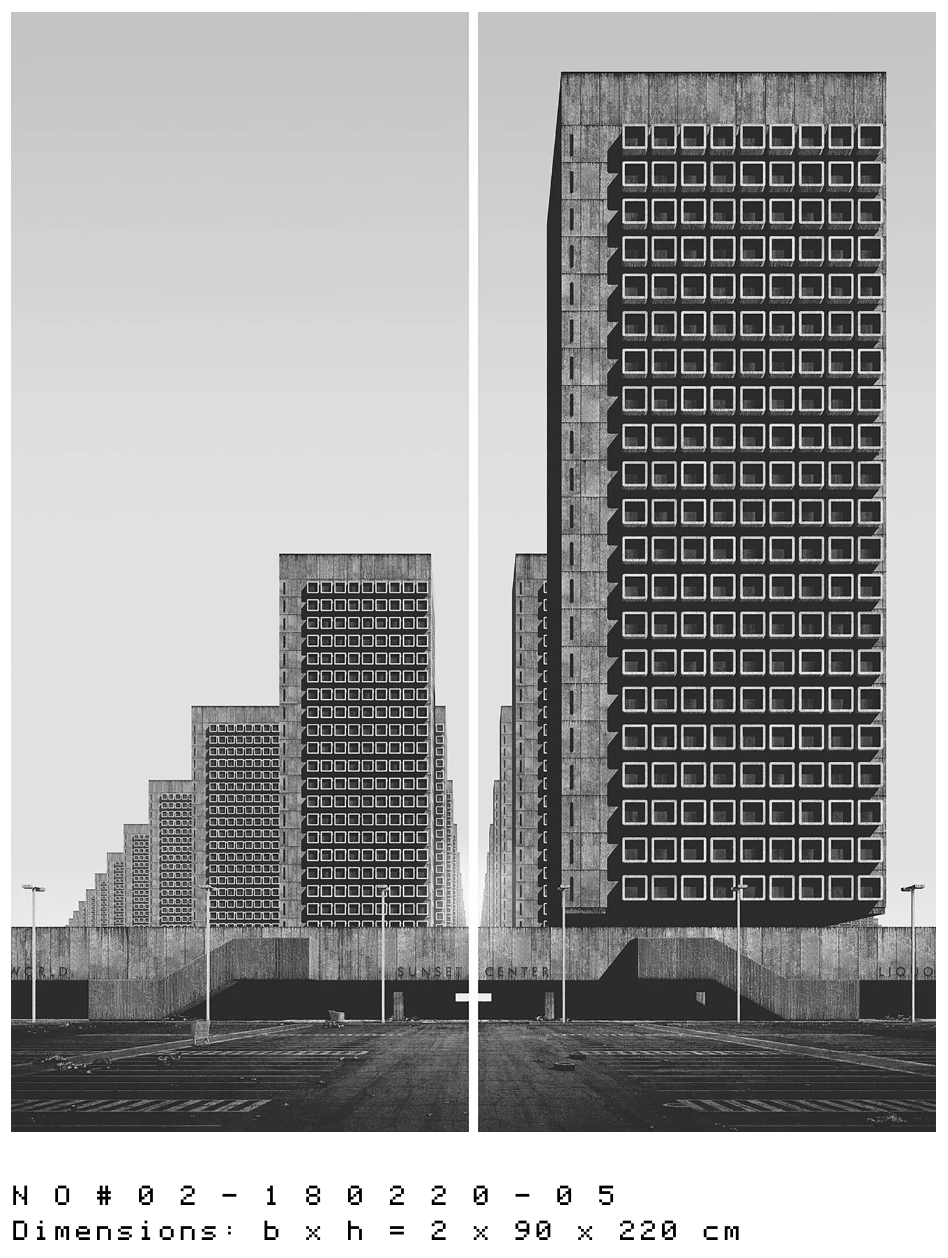
ED The photorealistic quality of your work is striking. How do you balance the line between photography and digital creation to maintain the realism while pushing the boundaries of imagination?
CG I love the idea of blurring the interfaces between photography, CGI (computer generated images), CAAD (computer aided architectural design), image manipulation and digital painting.
Archaic and new digital techniques are woven together… I usually describe my work as "Post Photography." But it is very important to me that I'm not using collage techniques, nothing is taken from an existing scenery, it's all artificial, even the trash.
ED Why did you decide to focus exclusively on black-and-white imagery? How do you feel this choice impacts the mood and narrative of your pieces?
CG I was fascinated by the photography of Lewis Baltz and by 1960s architecture photography. I guess I wanted to imitate the dramatic atmosphere of these images. The working process of BW imagery seemed easier to me in the beginning of my artistic journey... Now I know that I was right, I'm working in colour and it feels much more complex.
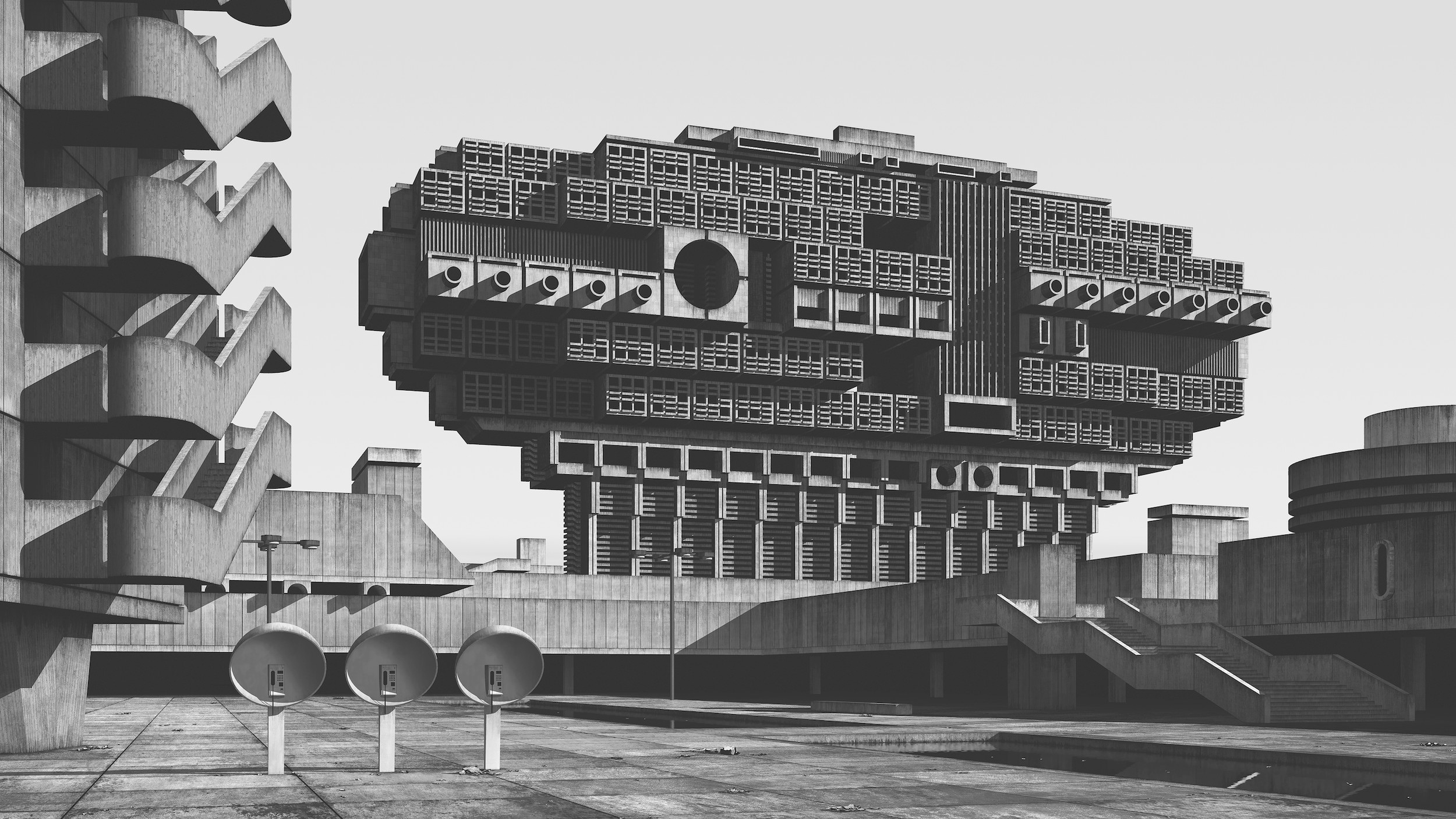
NO#08-160090-15
ED You describe your work as evoking both mesmerizing and menacing emotions. What role do you think these conflicting feelings play in the viewer's experience of your art?
CG I want to replicate the perception of watching a dystopian film… The images should absorb you. Among the most beautiful comments from viewers was, " I would love to walk the streets in your city and dive into that beautiful darkness." That captures it quite well.

N O # 1 0 - 0 6 0 0 9 0 - 3 0
Dimensions: b x h = 60 x 90 cm
ED What's the best advice you’ve ever received, and what’s the worst?
CG I choose carefully whom to ask... That's why I always get honest but constructive criticism. I try to avoid people with bad advice.
ED What motto do you live by?
CG I don't have a real motto… Maybe "Be patient and don't expect anything" might be one. At least, I think that's one of the most important ingredients when working as an artist.
Just keep working and one day, a new opportunity comes along!
CLEMENS GRITL is featured in FORM vol.I.
very laboratory